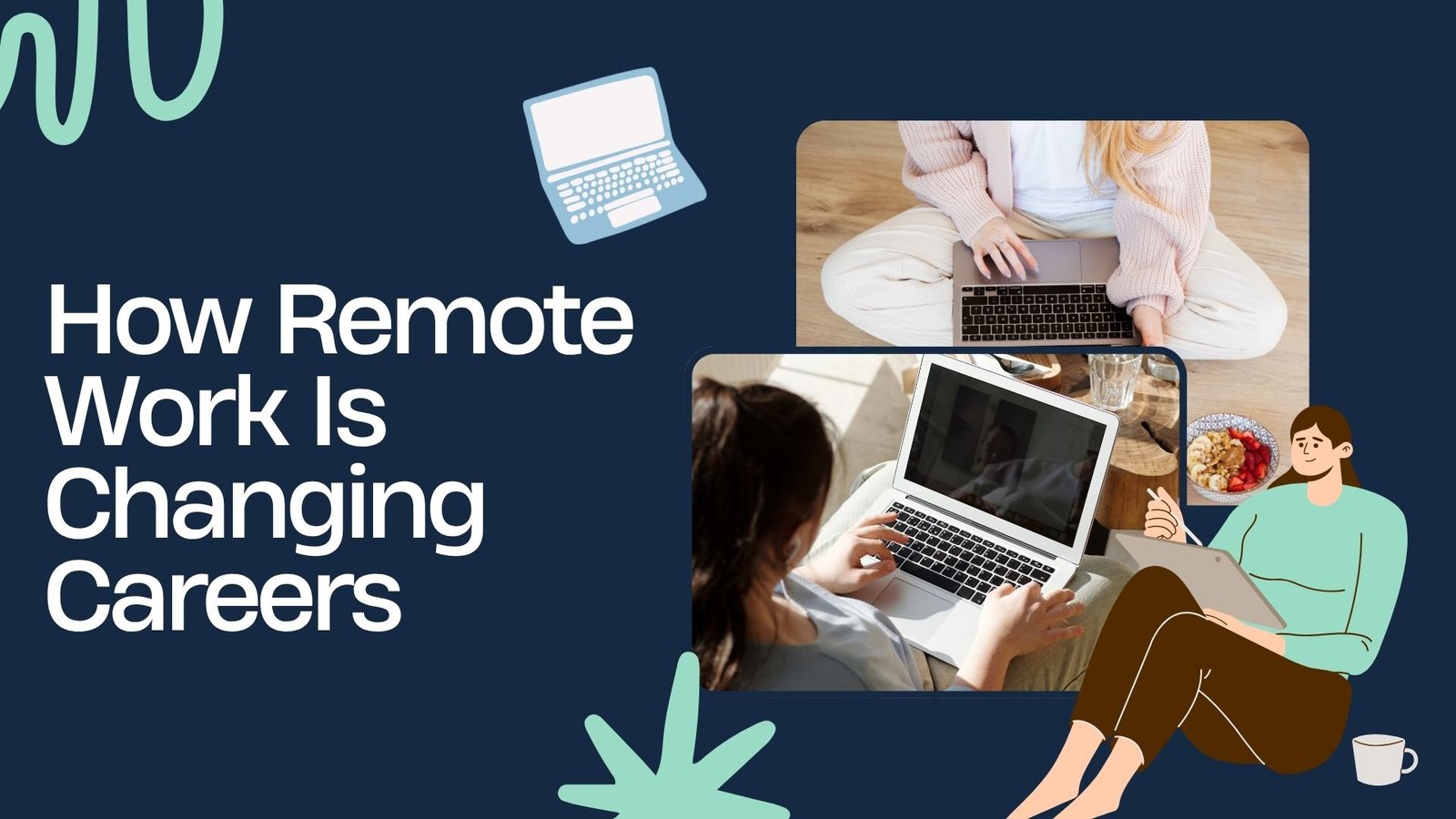
Remote work has transformed the way people think about jobs, workplaces, and career growth. What was once considered a flexible work option has become a major part of the modern workforce. With better technology, digital communication tools, and changing employee expectations, many professionals are building successful careers without working in traditional offices.
From freelancers and entrepreneurs to full-time employees, remote work is creating new opportunities while changing the skills needed to succeed.
What Is Remote Work?
Remote work allows employees and professionals to complete their jobs outside of a traditional office environment. People can work from home, coworking spaces, or anywhere with a reliable internet connection.
Remote work commonly uses:
- Video meetings
- Online collaboration tools
- Cloud software
- Project management platforms
- Digital communication apps
This flexible approach has changed how companies hire, manage teams, and measure productivity.
Why Remote Work Is Growing


Several factors have contributed to the growth of remote careers:
1. Better Technology
Modern technology allows people to work from almost anywhere.
Important tools include:
- Cloud storage
- Video conferencing
- Online documents
- Team communication platforms
- AI productivity tools
These technologies make collaboration easier even when teams are located in different places.
2. Changing Employee Expectations
Many workers now value:
- Flexible schedules
- Better work-life balance
- Less commuting
- More independence
- Greater control over their time
Remote work provides more freedom compared to traditional office jobs.
3. Global Hiring Opportunities
Companies are no longer limited to hiring people who live nearby. Remote work allows businesses to find talent from around the world.
This creates opportunities for:
- International jobs
- Freelance projects
- Remote internships
- Global partnerships
How Remote Work Is Changing Careers
1. More Flexible Career Paths
Remote work has made careers more flexible than ever.
Professionals can now:
- Work for companies in different countries
- Create freelance careers
- Start online businesses
- Combine multiple income sources
Traditional career paths are becoming less fixed, allowing people to design careers around their lifestyles.
2. Growth of Freelancing and Online Jobs


Remote work has increased demand for online professionals.
Popular remote career fields include:
- Content writing
- Digital marketing
- Graphic design
- Software development
- Virtual assistance
- Online teaching
- Customer support
- Social media management
Many people are using digital skills to create independent careers.
3. Skills Matter More Than Location
In traditional workplaces, location often influenced career opportunities. Remote work has shifted attention toward skills and results.
Important remote work skills include:
- Communication
- Time management
- Problem-solving
- Digital skills
- Self-discipline
- Adaptability
Professionals who continuously improve their skills can access more opportunities.
4. Work-Life Balance Has Changed
Remote work can improve work-life balance by reducing commuting time and allowing more flexibility.
Benefits include:
- More personal time
- Flexible working hours
- Less travel stress
- Better control over daily routines
However, remote workers also need boundaries to avoid working too much.
5. New Career Opportunities Are Emerging
Remote work has created entirely new roles and industries.
Growing remote careers include:
- Remote project managers
- Online community managers
- AI specialists
- Remote recruiters
- Digital creators
- Virtual consultants
- Online educators
As businesses continue adapting, more digital career opportunities are expected to grow.
Challenges of Remote Work
While remote work offers many advantages, it also comes with challenges.
1. Maintaining Productivity
Working from home requires strong organization.
Helpful habits:
- Create a dedicated workspace
- Set daily goals
- Follow a schedule
- Remove distractions
2. Communication Challenges
Remote teams need effective communication.
Best practices:
- Use clear messages
- Schedule regular meetings
- Document important information
- Use collaboration tools properly
3. Feeling Isolated
Some remote workers miss the social interaction of offices.
Solutions include:
- Joining online communities
- Working from coworking spaces
- Scheduling regular team activities
- Maintaining social connections
How Businesses Are Adapting
Companies are changing their approach to work by focusing on:
- Remote-friendly policies
- Digital collaboration
- Flexible schedules
- Employee well-being
- Performance-based results
Many organizations are adopting hybrid models that combine remote and office work.
How to Build a Successful Remote Career
Follow these tips:
Develop Digital Skills
Learn tools and skills that are valuable in online work.
Improve Communication
Clear communication is essential when working remotely.
Create a Professional Online Presence
Build a strong profile, portfolio, or personal brand.
Stay Organized
Use calendars, task lists, and productivity systems.
Keep Learning
Technology changes quickly, so continuous learning is important.
The Future of Remote Work
Remote work is expected to remain an important part of modern careers. Advances in artificial intelligence, virtual collaboration, and digital tools will continue making remote work easier and more efficient.
Future workplaces may focus less on where people work and more on:
- Skills
- Creativity
- Results
- Collaboration
- Innovation
Final Thoughts
Remote work has changed the way people build careers. It has created new opportunities, increased flexibility, and allowed professionals to work beyond traditional boundaries.
While remote work requires discipline and strong communication skills, it offers exciting possibilities for those who adapt. As technology continues to evolve, remote careers will likely become an even bigger part of the global workforce.
Leave a Reply