
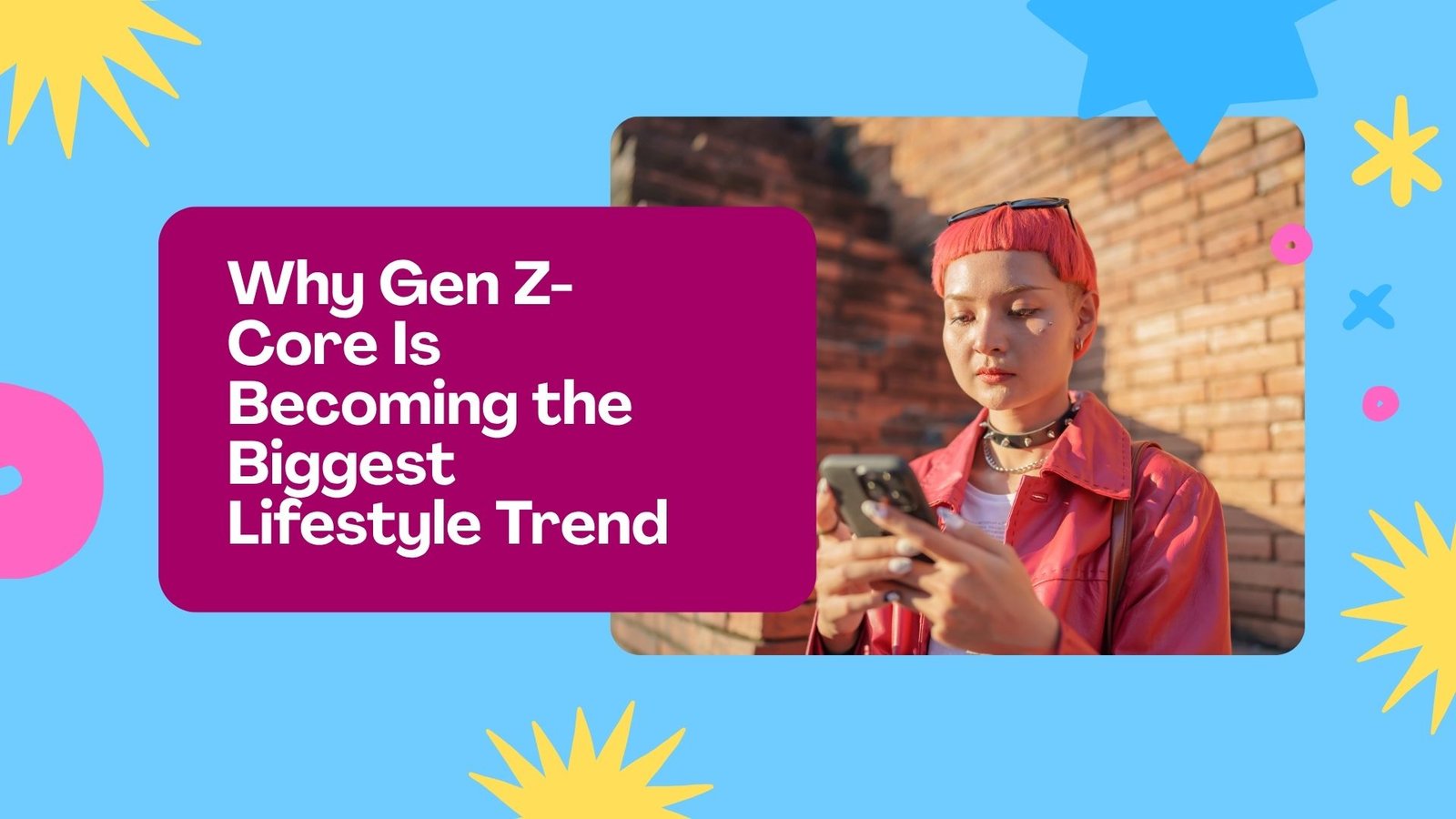
Gen Z-core has grown beyond a simple fashion aesthetic. In 2026, it represents a broader mix of fashion, nostalgia, social media, beauty, shopping, entertainment, and personal expression. Gen Z is taking inspiration from different decades and online communities, then combining those influences in highly individual ways.


What Is Gen Z-Core?
Gen Z-core can be described as a constantly changing collection of aesthetics and lifestyle choices associated with Gen Z culture. It can include Y2K fashion, vintage clothing, streetwear, retro accessories, playful beauty, digital culture, and personalized spaces.
Rather than following one fixed look, the trend encourages people to mix different influences and create their own version of what feels current.
1. Social Media Is Fueling the Movement
TikTok, Instagram, Pinterest, and other digital platforms have transformed how trends spread. A particular outfit, hairstyle, room setup, or accessory can quickly move from a small online community into mainstream culture.
This makes Gen Z-core different from traditional seasonal trends. Instead of waiting for fashion magazines or runway collections, young consumers can discover and remix trends directly through online communities.
2. Y2K and Retro Style Are Back
Nostalgia is one of the biggest ingredients in Gen Z-core. Low-rise and baggy jeans, baby tees, retro bags, chunky shoes, digital cameras, and other early-2000s references are being reinterpreted for today’s audience.
Interestingly, many Gen Z consumers didn’t experience the early 2000s themselves. The Washington Post describes this as a form of “vicarious nostalgia”—discovering and recreating a period through the internet, older media, and cultural references.


3. Individuality Is More Important Than Following One Style
Gen Z-core doesn’t require everyone to dress the same way. Instead, it encourages experimentation.
A single outfit might combine:
- Vintage denim
- Oversized streetwear
- Retro sunglasses
- Modern sneakers
- Statement jewelry
- A thrifted jacket
- A nostalgic graphic tee
The result is a style that feels personal rather than perfectly coordinated.
4. Thrifting Makes the Trend More Unique
Secondhand shopping fits naturally into Gen Z-core because it makes it easier to discover unusual and vintage pieces.
Thrifting can also help shoppers create outfits that don’t look identical to mass-market styles. Resale and secondhand fashion have benefited from the renewed interest in Y2K clothing, including vintage baby tees, tracksuits, miniskirts, and other nostalgic pieces.


5. Comfort and Streetwear Remain Important
Gen Z-core isn’t only about appearance. Comfort is a major part of the aesthetic.
Oversized hoodies, wide-leg trousers, sneakers, relaxed denim, graphic T-shirts, and casual layers can easily be incorporated into everyday outfits. Current Gen Z streetwear also combines nostalgic references with modern silhouettes and personal styling.
6. The Trend Is Moving Into Home Décor
Gen Z-core doesn’t stop at clothing.
Bedrooms and personal spaces are becoming another form of self-expression. Posters, colorful lighting, collectibles, plants, vintage objects, wall art, and personalized accessories can turn a room into an extension of someone’s online and offline identity.


7. Beauty Is Becoming More Creative
Gen Z-core also encourages experimentation with beauty. Instead of sticking to one conventional look, people can move between natural makeup, nostalgic beauty trends, bold eyeliner, colorful nails, playful hairstyles, and other aesthetic influences.
The important part is personalization. Beauty becomes another way to communicate mood and personality.
8. Gen Z Is Becoming a Community of Curators
One of the biggest reasons Gen Z-core continues to evolve is the enormous amount of inspiration available online.
Gen Z can discover fashion from different decades, cultures, music scenes, gaming communities, creators, and subcultures—all from the same device. This allows people to combine influences that previous generations might have encountered separately.
9. Brands Are Paying Attention
The popularity of Gen Z aesthetics has created opportunities for fashion and lifestyle brands. Companies are increasingly using social media, nostalgia, creators, and community-driven marketing to connect with younger shoppers.
The commercial impact is already visible: the Washington Post reported strong Gen Z customer growth for several brands benefiting from the Y2K revival.
10. Gen Z-Core Keeps Changing
Perhaps the most important characteristic of Gen Z-core is that there is no permanent definition.
Y2K can become popular, then vintage 2010s style can return. Minimalism can be replaced by maximalism, while streetwear can mix with preppy or retro influences.
Current fall 2026 fashion coverage also points toward individuality, nostalgia, bold styling, and eclectic combinations rather than one dominant aesthetic.
How to Try Gen Z-Core in Your Everyday Life
You don’t need to completely change your lifestyle. Try a few simple ideas:
- Mix vintage and modern clothing.
- Experiment with accessories such as bags, sunglasses, jewelry, or caps.
- Visit thrift or secondhand stores for unique pieces.
- Add nostalgic elements such as retro cameras, old-school graphics, or vintage-inspired décor.
- Personalize your room with artwork, photos, lighting, and collectibles.
- Experiment with beauty trends instead of following one fixed routine.
- Choose trends that match your personality rather than copying every viral look.
Final Thoughts
Gen Z-core is becoming a powerful lifestyle trend because it combines nostalgia, individuality, creativity, social media, and self-expression. It isn’t simply about wearing a particular outfit—it is about creating a personal identity across fashion, beauty, home décor, entertainment, and online culture.
As Gen Z continues to remix old trends with new ideas, Gen Z-core will likely keep changing throughout 2026. Its biggest strength is that there are no strict rules—you can make the trend your own.
Leave a Reply